
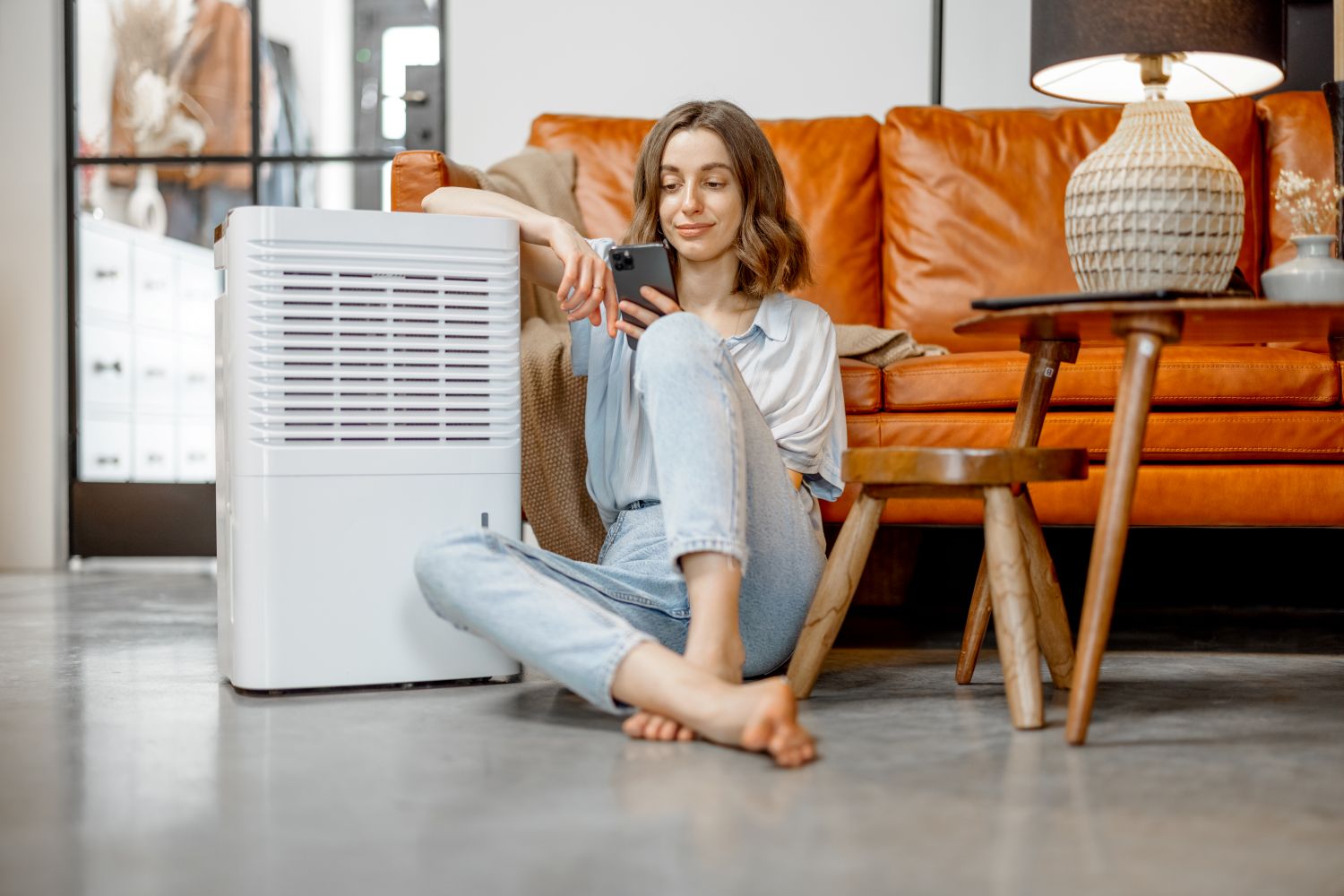
Humidity significantly affects the effectiveness of air conditioning systems, impacting both cooling efficiency and indoor comfort. This discussion examines how humidity influences air conditioning performance and highlights the substantial benefits of integrating a dehumidifier with your unit. We will explore various advantages, such as reducing energy costs and improving air quality. Additionally, important factors to consider when selecting an appropriate dehumidifier will be addressed, along with recommendations for optimal placement and maintenance. This information aims to assist in enhancing the overall comfort of your home naturally.
Understanding Humidity and Its Impact on AC Performance
Understanding the intricate relationship between humidity levels and air conditioning performance is essential for ensuring a comfortable indoor environment.
Elevated humidity can significantly affect the cooling efficiency of air conditioning systems, making humidity control a critical factor for optimal performance. When humidity levels rise, the cooling system must exert greater effort to achieve the desired temperature, resulting in increased energy consumption and less effective moisture removal.
The equilibrium of indoor air quality and thermal comfort depends on the effective management of humidity, which ultimately impacts overall home comfort, energy efficiency, and the effectiveness of HVAC systems.
How Humidity Affects Cooling Efficiency
Humidity plays a critical role in determining the cooling efficiency of air conditioning systems, significantly influencing moisture control in indoor environments.
When humidity levels increase, the air’s capacity to retain heat diminishes, which may result in discomfort even when temperatures are relatively low. This phenomenon is primarily governed by the dew point, which is the temperature at which air becomes saturated with moisture.
As humidity rises, air conditioning units must exert more effort to maintain a comfortable atmosphere, leading to increased energy consumption.
High humidity can also impede the effectiveness of air circulation, as saturated air may lack the necessary movement to ensure uniform cooling throughout a space. Understanding the interplay of these factors is essential for optimising air conditioning performance.
Maintaining balanced humidity levels not only contributes to occupant comfort but also enhances system efficiency and reduces energy costs.
Benefits of Using a Dehumidifier with Your AC
The integration of a dehumidifier with an air conditioning system offers a range of benefits that significantly enhance overall home comfort, energy efficiency, and indoor air quality.
By effectively lowering humidity levels, a dehumidifier complements the cooling capabilities of the air conditioning unit, thereby optimising its performance and extending its lifespan. This combined approach not only fosters a more comfortable living environment but also facilitates moisture removal and condensation control, resulting in considerable energy savings.
Additionally, improved air quality yields health benefits by reducing allergens and preventing mould growth, establishing it as a cost-effective solution for homeowners.
Reduced Energy Consumption and Cost Savings
One of the primary advantages of utilising a dehumidifier in conjunction with an air conditioning system is the substantial reduction in energy consumption, resulting in significant cost savings on energy bills.
When humidity levels are effectively managed, the air conditioning unit does not have to exert as much effort to cool the air. This not only enhances operational efficiency but also contributes to an extended lifespan of the unit.
For example, homeowners who have implemented dehumidifiers frequently report a decrease in their monthly energy expenses by as much as 20 per cent, demonstrating that the integration of such energy-efficient systems is a prudent and cost-effective solution.
By alleviating the burden on air conditioning units, this combination can also lead to reduced maintenance costs, as fewer repairs are required over time. This approach protects the investment in the air conditioning system while ensuring a comfortable environment throughout the year.
Improved Air Quality and Comfort
Utilising a dehumidifier in conjunction with an air conditioning system significantly improves indoor air quality, rendering it an essential element for achieving optimal home comfort.
By maintaining an appropriate balance of humidity levels, individuals can experience a more pleasant living environment that not only enhances comfort but also promotes overall well-being.
Effective humidity control is critical, as it inhibits the growth of mould, dust mites, and other allergens that thrive in excessively damp conditions. This contributes to healthier indoor air, thereby reducing respiratory issues and allergic reactions.
Consequently, the integration of a dehumidifier should be regarded not merely as an enhancement to climate control but as a crucial investment in personal health, ensuring that every breath taken indoors is clean and revitalising.
Choosing the Right Dehumidifier for Your Home
Selecting the appropriate dehumidifier for a home is essential for effectively managing humidity levels and enhancing overall indoor comfort. This consideration is significant for every homeowner.
Given the variety of dehumidifier types available, it is imperative to evaluate factors such as room size, energy efficiency, and compatibility with existing appliances to ensure optimal performance.
A wisely chosen dehumidifier will operate in conjunction with the air conditioning system, thereby contributing to improved indoor air quality and moisture control.
Whether one opts for portable dehumidifiers or whole-house units, a clear understanding of specific needs will facilitate the identification of the most suitable solution for the home environment.
Factors to Consider When Selecting a Dehumidifier
When selecting a dehumidifier for residential use, it is imperative to consider several key factors to ensure optimal performance in humidity control and energy efficiency.
Firstly, it is essential to assess the humidity levels in various areas of the living space, as this will influence the appropriate room size required for effective moisture management.
Additionally, understanding the energy consumption of different models can significantly affect long-term operational costs.
Moreover, features such as built-in humidity sensors not only facilitate monitoring but also enhance the dehumidifier’s efficiency by enabling it to adjust its performance based on real-time moisture readings.
By carefully evaluating these elements, homeowners can make informed decisions that ultimately lead to improved indoor air quality and enhanced comfort within the home.
Proper Placement and Maintenance Tips
Proper placement and regular maintenance of a dehumidifier are crucial for optimising its performance and ensuring energy efficiency within the home.
To achieve optimal results, it is advisable to position the unit in areas with elevated moisture levels, such as basements or utility rooms, where air circulation may be limited. It is important to maintain adequate space around the device to facilitate unobstructed airflow, typically several feet away from walls or furniture.
Regular cleaning or replacement of the filter can significantly improve the unit’s operation, helping to prevent dust and debris accumulation that may hinder moisture control. Additionally, conducting periodic checks of the water reservoir and drainage system will help to mitigate overflow issues and extend the appliance’s lifespan, ultimately contributing to a more comfortable and healthy living environment.